| Additional Information |
Nativity and origin
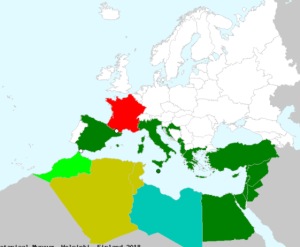
Northern Africa: Algeria, Libya ; Morocco; Tunisia
Western Asia: Cyprus; Iran ; Israel; Jordan; Lebanon; Syria; Turkey
Caucasus: Armenia; Azerbaijan; Georgia; Russian Federation - Ciscaucasia
East Europe: Moldova; Ukraine
Southeastern Europe: Albania; Bulgaria; Greece ; Italy ( incl. Sardinia, Sicily); Romania; Yugoslavia
Southwestern Europe: France ( incl. Corsica); Portugal; Spain (incl. Baleares)
[ WWW-26]
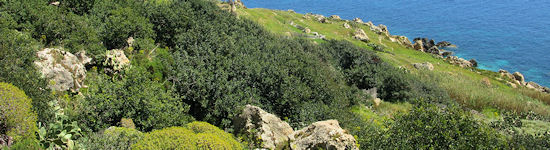
The species is indigenous to the south of Europe and the Mediterranean basin [ WWW-18]
Cultivation and Propagation details
The foliage is fairly frost-tender, though the roots are much hardier and plants can survive quite cold winters [ 86] . They are more likely to be killed by excessive winter wet [ 86] .
The squirting cucumber is sometimes cultivated for its use as a medicinal plant [ 46] .
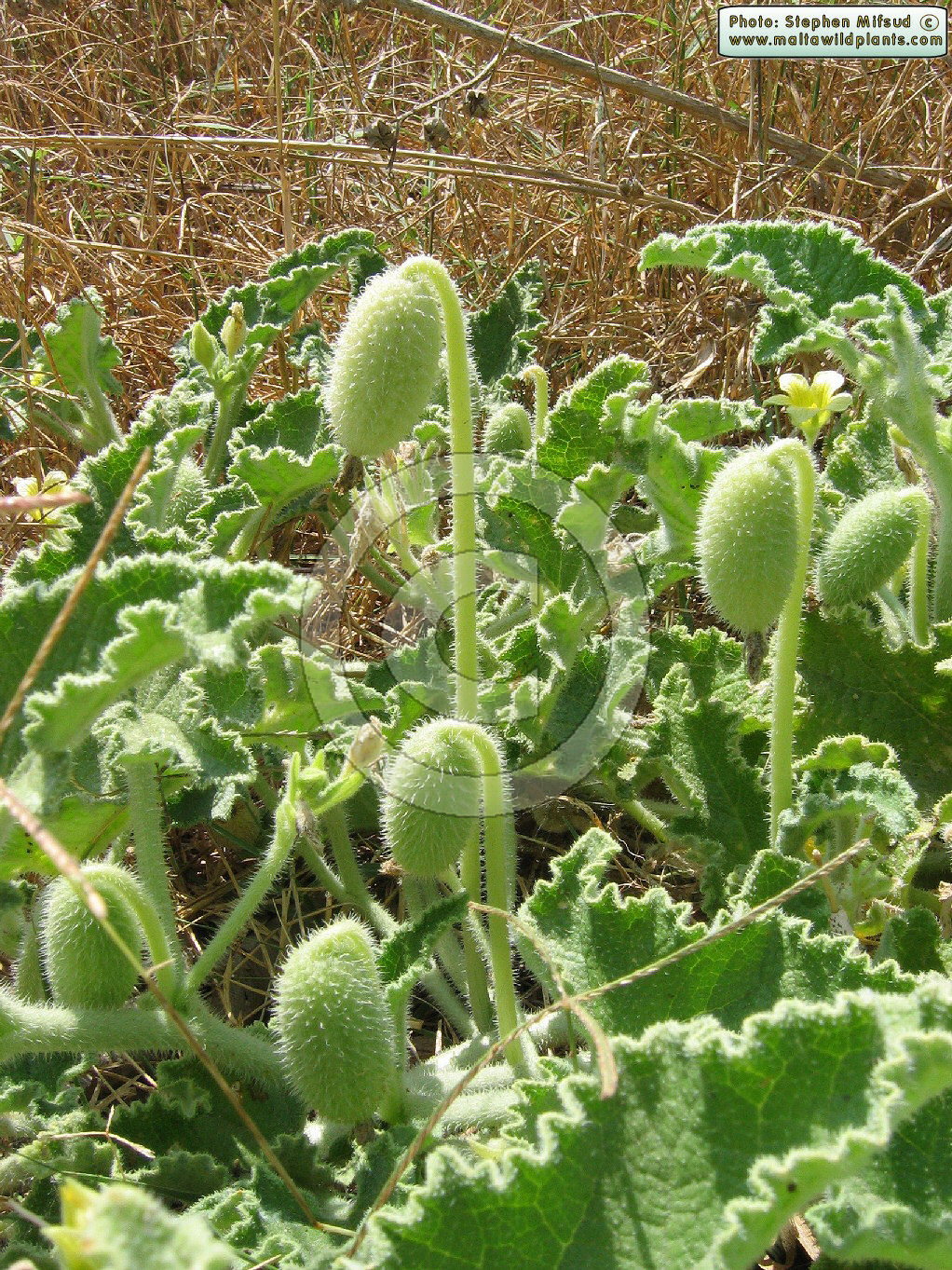
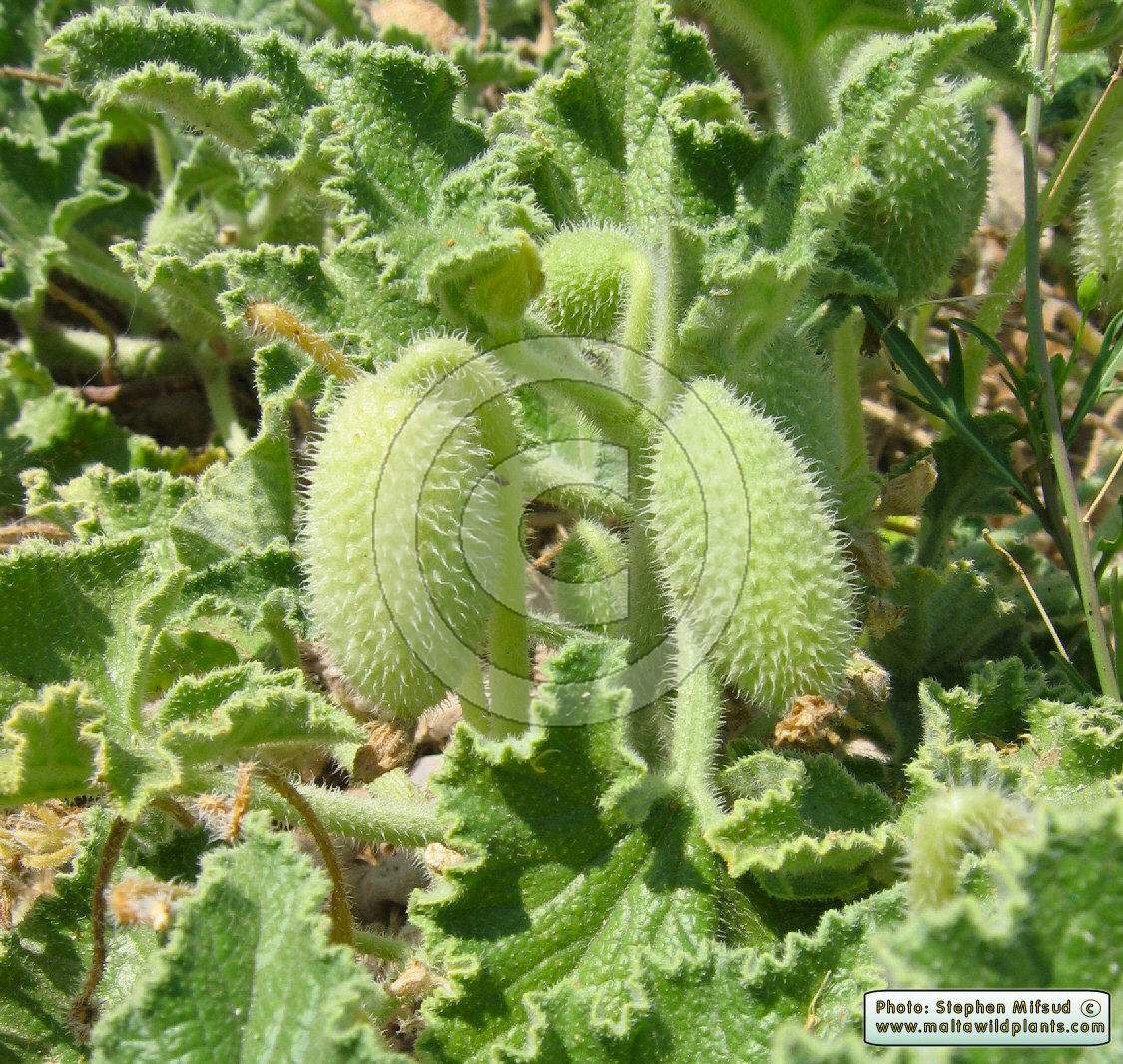
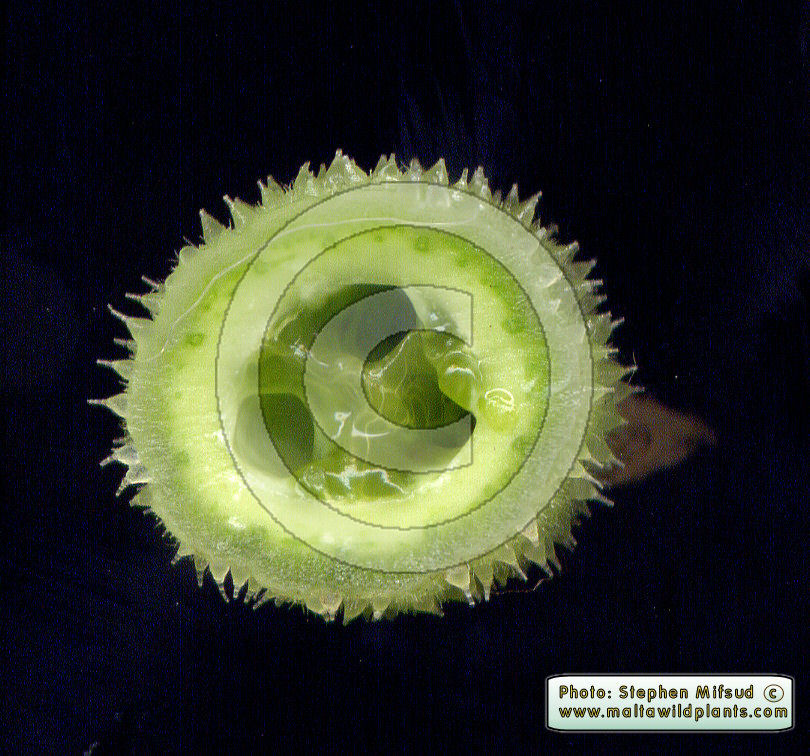
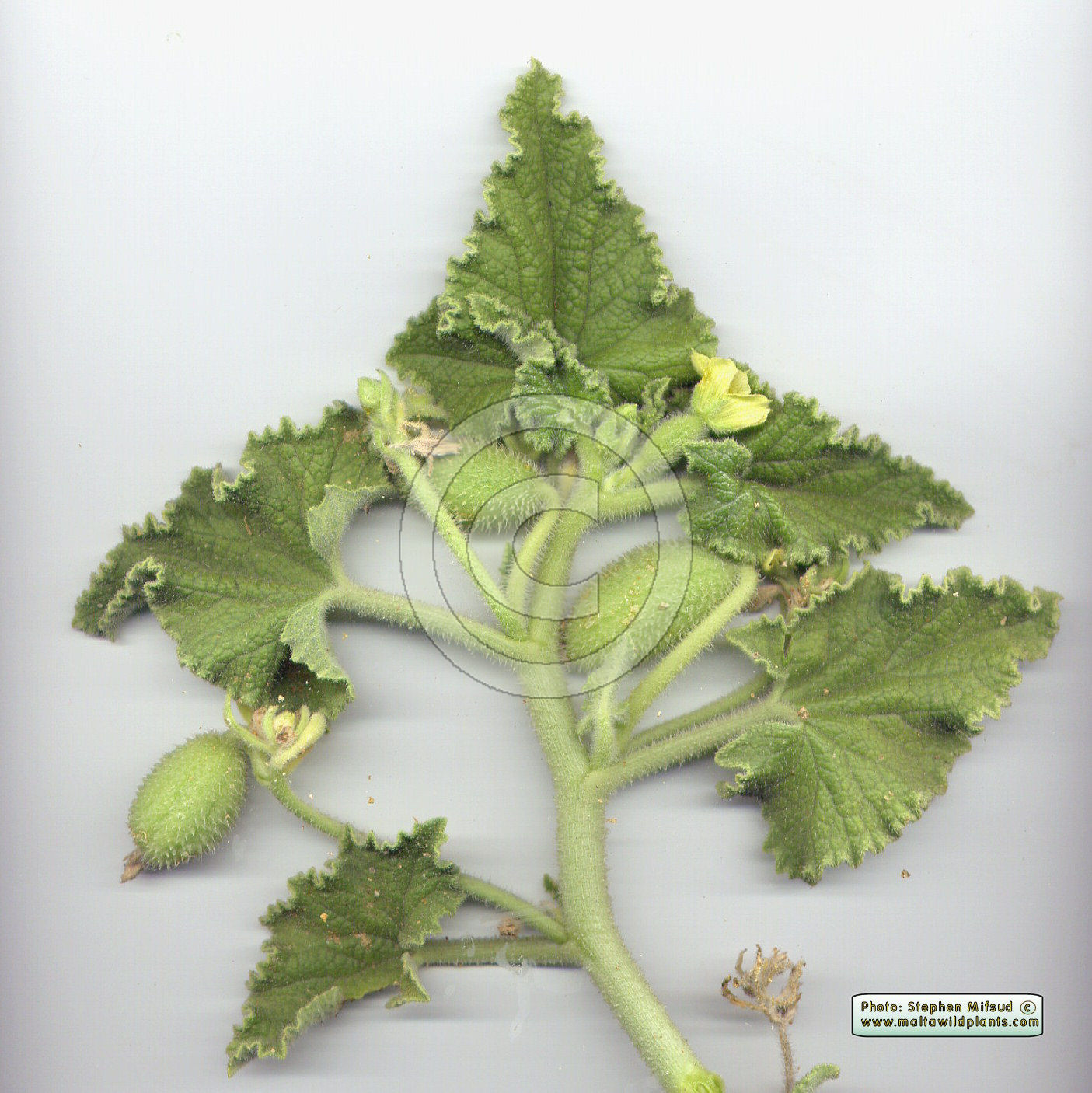
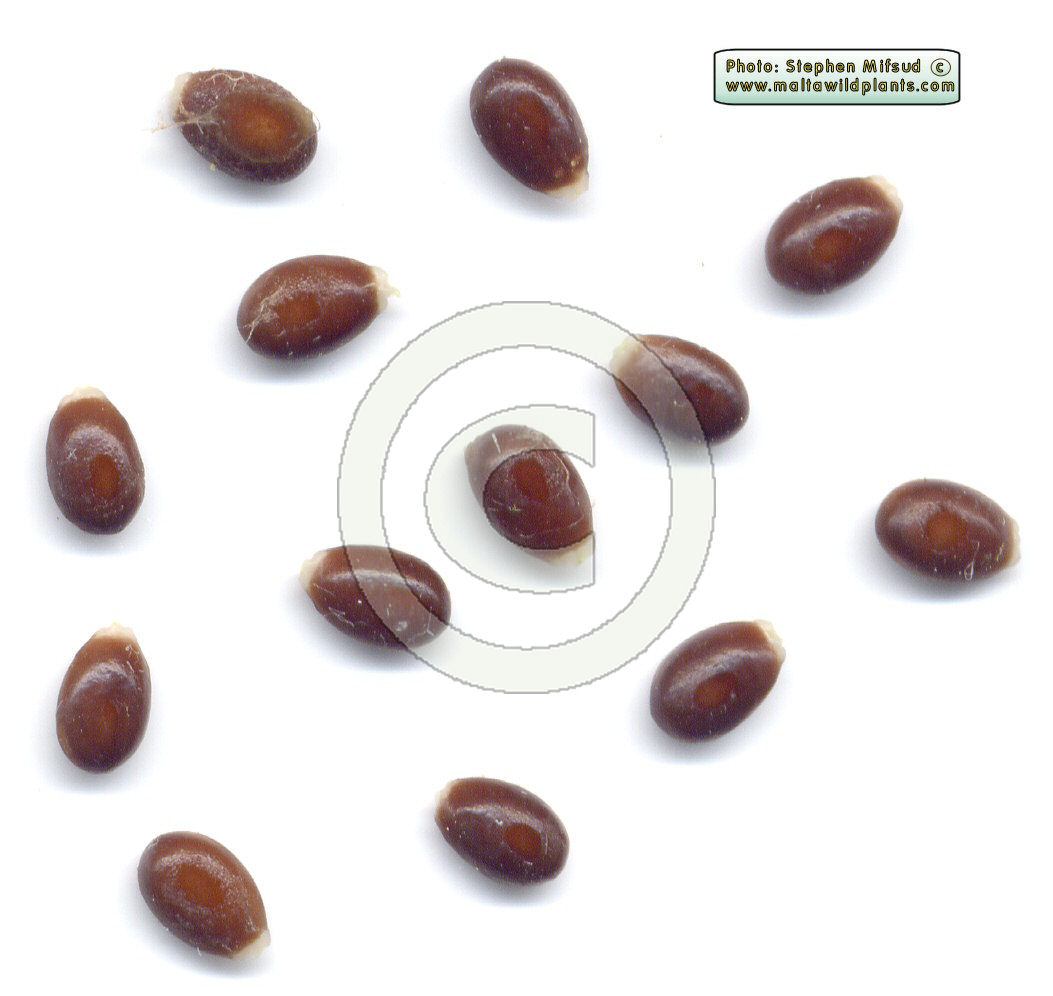
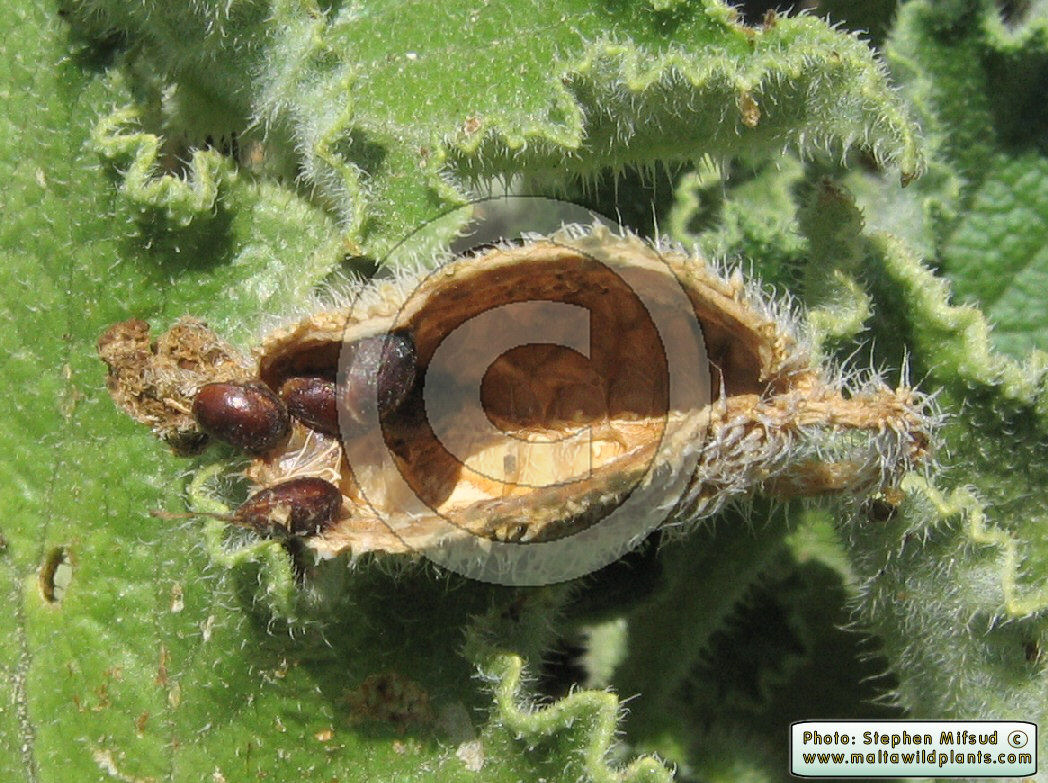
The ripening fruit becomes pumped full of liquid, leading to an increase in pressure. As the seed becomes ripe, this pressure forces the fruit to break away explosively from the plant, ejecting its seed to a considerable distance in the opposite direction. The plant occasionally self-sows and can become a weed in warmer climates [ KF] . It is subject to statutory control as a weed in Australia [ 238] .
Propagation:
Sow seeds at early spring in rich compost in a greenhouse. Place 2 - 3 seeds per pot and thin to the strongest plant. The seed usually germinates in 10 - 21 days at 25°C [ 175] . Grow the plants on fast and plant them out after the last expected frosts.
Medicinal Uses
| Abortifacient |
A drug that causes abortion of the foetus, miscarriage or premature delivery. [ WWW-32] |
| Analgesic |
A medicine used in to relieve pain. [ WWW-32] |
| AntiCancer |
Used in the treatment of cancer; "anticancer drug"; "an antineoplastic effect". [ WWW-32] |
| Antirheumatic |
Suppresses manifestations of rheumatic disease (usually causing pain in the joints) [ WWW-57] |
| Cardiac |
Exciting action in the heart, through the medium of the stomach; cordial; stimulant [ WWW-32 ] |
| Cathartic |
Cleansing the bowels; promoting evacuations by stool; purgative. [ WWW-32] |
| Nephritic |
Can cause the inflammation of the kidneys [ WWW-32] |
| Purgative |
A purging medicine; stimulates evacuation of the bowels. [ WWW-32] |
The squirting cucumber has been used as a medicinal plant for over 2,000 years, though it has a very violent effect upon the body and has little use in modern herbalism [ 238, 268] .
The juice of the fruit is antirheumatic, cardiac and purgative [ 1, 7, 61, 86, 89] . The plant is a very powerful purgative that causes evacuation of water from the bowels [ 238] . It is used internally in the treatment of oedema associated with kidney complaints, heart problems, rheumatism, paralysis and shingles [ 86, 238] . Externally, it has been used to treat sinusitis and painful joints [ 238] . It should be used with great caution and only under the supervision of a qualified practitioner [ 4, 238] . Excessive doses have caused gastro-enteritis and even death [ 7] . It should not be used by pregnant women since it can cause an abortion [ 7] .
The fully grown but unripe fruits are harvested during the summer, they are left in containers until the contents are expelled and the juice is then dried for later use [ 46, 238] .
The root contains an analgesic principle [ 240] . The plant (especially its fruit) furnishes the drug Elaterium. [ WWW-03]
Active Constituents and their properties:
The plant contains at least the following active constituents with the activity of some described. This are found both in elaterium (dried juice of the ripe fruit) and other plant parts
[ WWW-03, WWW-18, WWW-66]
Cucurbitacine: (Antigibberellin; Antihepatotoxic; Antitumor; Cytotoxic; (0-45 ppt) Insectifuge; Insectiphile)
Elaterin: (Strong Cathartic; 3-6 mg/man; Laxative; Stimulant)
Prophetin: (Bitter, purgative)
Hydroclaterin,
Elaterid
Ecballin or ecballic acid
Mr. Hennel obtained from elaterium 44 parts of elaterin, 17 parts of green resin, 6 of starch, 7 of saline matters, and 26 of woody fiber (P.). Pectin, gummy substances, and albumen have also been found in it. Its watery solution should be wholly or nearly free from starch, as shown by its behavior to iodine solution. Its most important constituent is the drastic principle Elaterin (C20H28O5) [ WWW-18]
Preparation of the Elaterium from the plant
Ecballium elaterium has been extensively cultivated in England for medicinal purposes, where, however, it dies in the cold winter. The medicinal part, known as Elaterium, is obtained by sedimentation from the juice of the pulp, and forms the medicinal product for commerce. The process of the British pharmacopoeia for preparing it is essentially as follows: Slice nearly ripe wild cucumbers, sieve; then set it aside for some hours until the thicker part has subsided. Reject the thinner, supernatant liquid, transfer the greenish sediment to a linen strainer, allow it to drain, and then, by means of a gentle heat, dry it on a porous brick. Elaterium exists in the juice of the fruit in a soluble condition, but rapidly becomes insoluble when the juice is exposed to the air. Elaterium is seldom adulterated, its variation in strength being due both to the difference in the time of its collection, and to faulty modes of preparation. Sometimes it is obtained by subjecting the pulp to too strong pressure, and in other instances, perhaps, by evaporating the juice to an extract. It is then called Elaterium nigrum, as against Elaterium album, which is made by the method herein described. [ WWW-18]
Description and uses of Elaterium
Good elaterium is in light, brittle, flat flakes, about 1/2 line or 1 line in thickness, of a pale-gray color, with a slight greenish or yellowish tinge, having a feeble animal odor (slightly tea-like-Pharmacographia), and an intensely bitter, somewhat acrid taste. It frequently carries the marks of the muslin or paper containing it during its desiccation. It floats upon water, forms a green tincture with alcohol, and does not effervesce in diluted hydrochloric acid. Rectified spirit dissolves about half its weight, and such a solution concentrated and added to a warm caustic potash solution should yield a deposit of at least 20 per cent of colorless, crystalline elaterin (Brit. Pharm.). Elaterium of inferior quality is more or less curled, much darker colored, less brittle, and has a glistening fracture. It yields about 6 per cent of elaterin, while good elaterium. yields from 15 to 25 per cent. When obtained from the fruit collected in summer, elaterium may contain from 40 to 50 per cent elaterin. The Maltese elaterium is in larger flakes than the best English, is paler, with hardly a trace of green, is soft and friable, or chalky to the touch, and frequently contains starch, chalk, and other impurities. It is inodorous, heavier than water, and effervesces with diluted hydrochloric acid. [ WWW-18]
Elaterium is an energetic hydragogue cathartic, operating with great violence in doses of a few grains, causing diffuse inflammation of the stomach and bowels, characterized by vomiting, griping pain, and profuse diarrhoea. It is the most powerful of our hydragogue purgatives, and for this purpose should be used only in plethoric states. In ordinary medicinal doses it produces copious watery evacuations, attended with considerable depression of the circulation and nervous system, and most generally nausea and vomiting. Hence, it is often used in dropsy, especially pulmonary oedema and ascites, to aid in removing the effused fluid, as a revulsive in cerebral affections, and wherever a hydragogue or revellent effect is indicated. It has been used in this manner in narcotic poisoning. It causes an enormous flow of watery serum from the blood and mucous structures, and it has been aptly said that one may be "bled through the tissues" with a full dose of elaterium. [ WWW-18]
It must be remembered that it is the minute dose that allays gastric irritation. Sore, tender, and heavy, or dragging sensations in the region of the bladder, or in the whole pelvic or perineal region, and accompanied with tenesmic passage of urine containing an abundance of mucus or muco-pus, are relieved by small doses of elaterium more readily than by any other drug. It should also be remembered that in the administration of elaterium only the smallest dose that will accomplish results should be used, for even small doses are apt to occasion emesis and other unpleasant results that may interfere with a successful treatment. [ WWW-18]
For irritable and painful states of the bladder, the small dose is now preferred: Rx Specific elaterium gtt. v to x to aqua fliv. Dose, a teaspoonful every 2 or 3 hours. The ordinary dose of elaterium is from 1/20 to 1/8 grain; of elaterin 1/40 to 1/12 grain. It must be remembered that both elaterium and elaterin greatly vary in strength. [ WWW-18]
Specific Indications and Uses includes: Chronic cystitis with "constant, more or less painful sensation in the region of the neck of the bladder, where the urine passes in a torrent as if poured through the urethra, and where, after micturition, there is a violent, cramp-like aching in the parts, often extending over the whole lower pelvic region and thighs" (King); deep soreness or tenderness in bladder, pelvis, or perineum, with tenesmic passage of urine loaded with mucus or muco-pus; constipation. In cathartic doses: Dropsy of plethora; ascites and pulmonary oedema; cerebral congestion.
More info about the drug Elaterium produced from this plant can be read in the links below
Toxicity
The plant is considered highly toxic. It is not reasonable to use this plant internally, since its active properties differ a lot according to season (It is very active in August) In addition, elaterine is very irritating for the digestive tract, so it should not be used by elderly people or those ones with intestinal or kidney problems. It is also abortive. It causes diarrhea, hemorrhages and kidney injuries. It is lethal in big doses. [ WWW-52]
Extract of the plant, especially the juice found in the fruit is rich in Elaterium which is used as a drug that mainly has a powerful hydragogue cathartic action, and in large doses excites nausea and vomiting. If administered too frequently it operates with great violence on both the stomach and bowels producing inflammation and possibly fatal results. [ WWW-03] .
In case of poisoning by Colocynth the stomach should be emptied, opium given by mouth or rectum followed by stimulants and demulcent drinks [ WWW-03]
The acute toxicity of the fresh juice of the fruit of the plant Ecballium elaterium was evaluated in 3 animal species. The LD50 of the juice injected into the intra-peritoneal in mice, rats and rabbits were 902, 812 and 817 ul/kg body weight, respectively. Hematocrit values increased significantly (58 percent) when the juice was administered intravenously to rabbits. The major pathological problem was in the right ventricles. The researchers concluded that the cause of the animal deaths was asphyxia resulting from extensive pulmonary edema and intra-alveolar hemorrhaging. [ 306]
Another report from the journal Toxicity states:
"Ecbalium elaterium is a plant endemic to the Mediterranean basin. Its roots and cucumber-shaped fruit have been used in folk medicine since antiquity. The alleged uses of the fruit juice are as a potent cathartic, analgesic, and antiinflammatory agent. Cucurbitacin B, a triterpene derivative is the active antiinflammatory principal.
PATIENTS: We present a series of 13 patients who were exposed to the juice of Ecbalium elaterium in its natural form. In 3 patients, exposure was intranasal for the treatment of sinusitis or liver cirrhosis. In 3 other cases, children ingested the fruit unwittingly. In 6 patients, exposure was ocular and, in one, dermal. Within minutes of exposure, the patients exhibited irritation of mucous membranes at various degrees of severity manifested as edema of pharynx, dyspnea, drooling, dysphagia, vomiting, conjunctivitis, corneal edema, and erosion, depending on the route of the exposure. Recovery began within several to 24 hours after administration of oxygen, steroids, antihistamines, and beta-2-agonists. Ocular exposures responded to topical steroid and antibiotic eyedrops within a few days. The toddler with the dermal exposure remained asymptomatic.
CONCLUSION: Exposure to the juice of Ecbalium elaterium, mainly in its undiluted form, may cause irritation of mucous membranes, supposedly of inflammatory nature. Patients exposed orally or intranasally should be closely followed for upper airway obstruction. Patients exposed ocularly should have their eyes promptly irrigated to prevent corneal and conjunctival injury. " [ 305]
An example of a case of poisining by Elaterium in humans has been reported by Eray O et al [ 307] at the department of Emergency Medicine, Faculty of Medicine, Dokuz Eylul University, Balcova, Izmir, Turkey.
A 54-y-o woman presented to the Emergency Department with shortness of breath and sore throat after intranasal administration of Ecbalium elaterium as a folk remedy for her sinusitis. The patient's history included nasal aspiration of the juice of the squirting cucumber (Ecbalium elaterium) for acute maxillary sinusitis. An airway obstruction due to severe uvular angioedema was detected and confirmed by airway X-ray. The patient was treated with 100% oxygen with mask, 0.3 mg epinephrine s.c., and 80 mg prednisolone i.v. Renal and hepatic function tests were normal. After a 24-h observation, the patient was discharged in her previous state of health.
More toxicity abstracts can be found in the links section below
Personal Observations
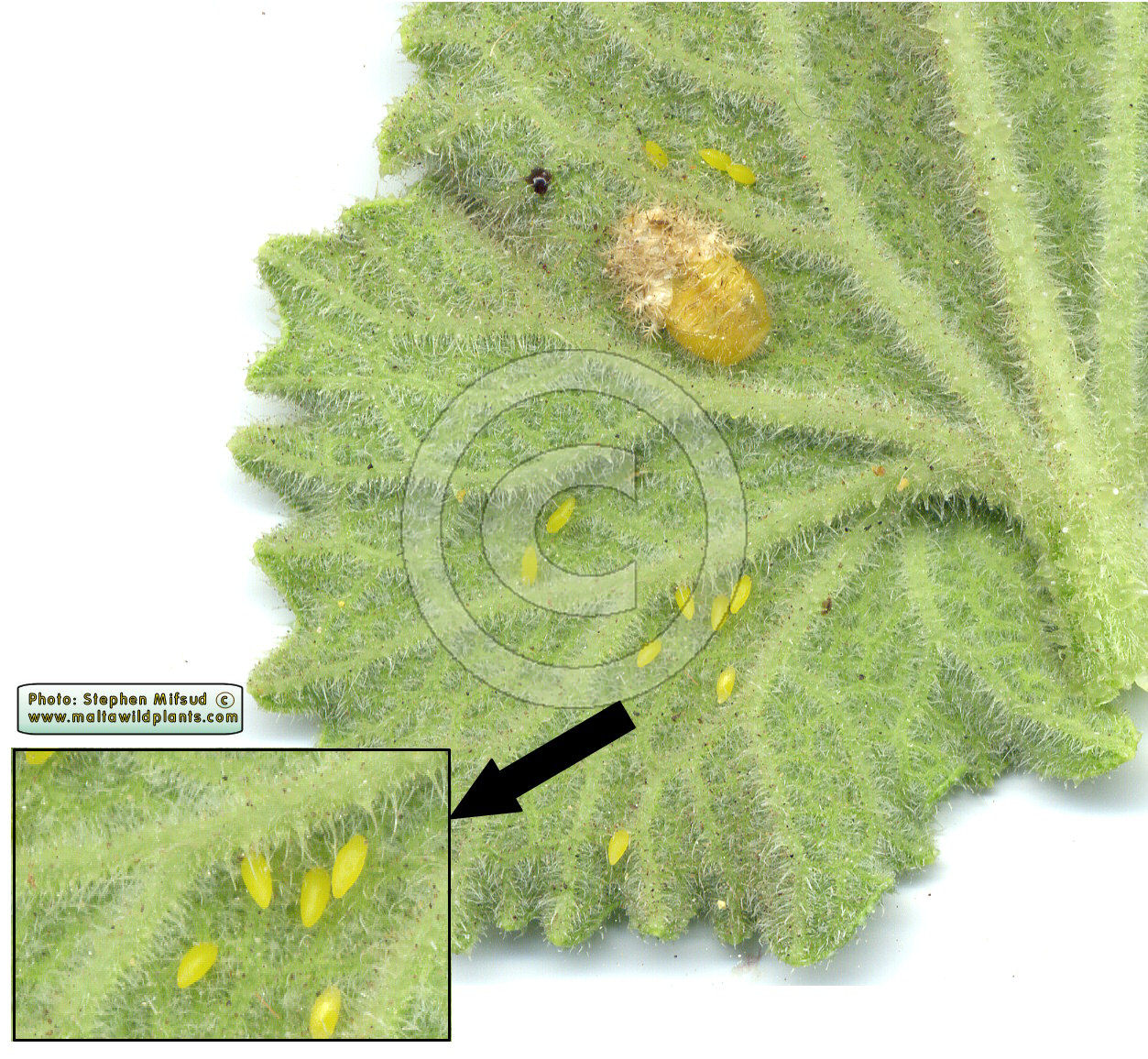
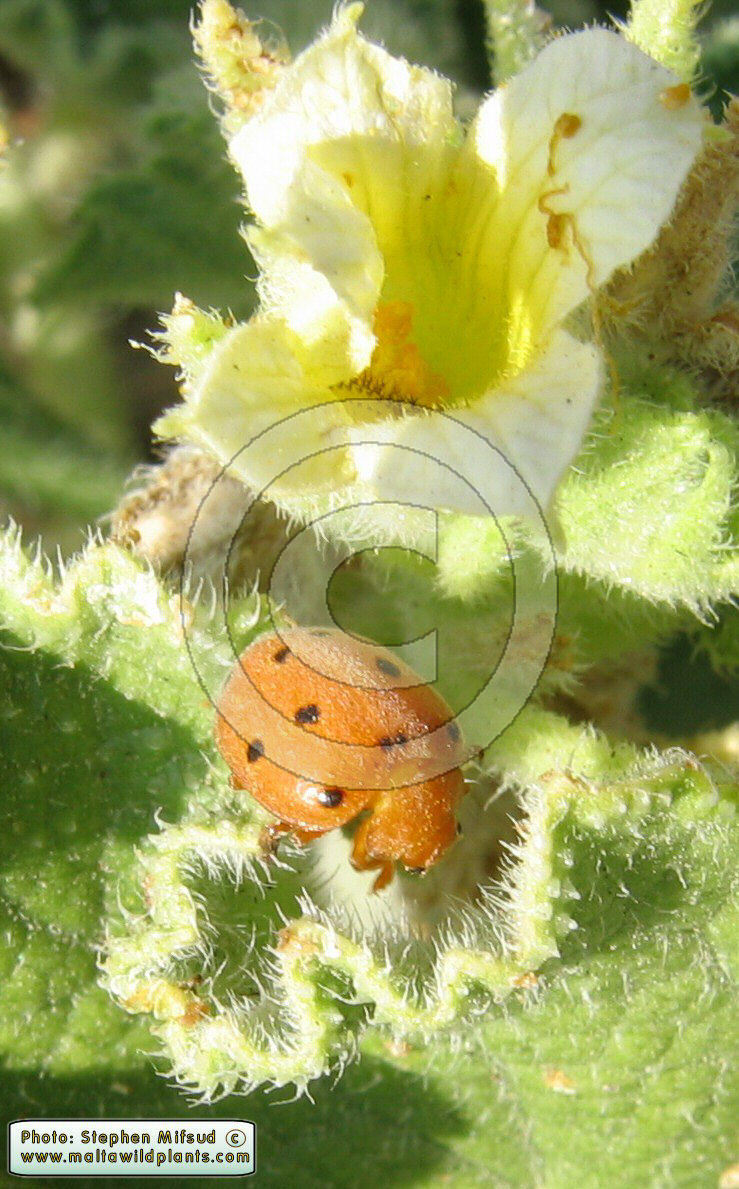
A species of Ladybirds lives entirely on this plant
The plant offers an entire habitat for the whole life cycle of a particular type of Ladybird called Henosipalachna elaterii (the gourd ladybird). This ladybird has orange brown colour (including head) with 12 spots black spots. They feed and rest on the plant and also mate and hatch their eggs on it. The hatched larvae also feed on the plant on which they later form their pupa. In few words the insect is totally dependent on the plant through its whole life cycle. The relationship seems to be parasitic between the herbicore insect and plant and there is no evidence of some form of symbiotic relationship. [SM]
Il-Faqqua il-hmir kontra il-fellul
Dan jista' jintuza biex jitnehha l-felul. Kelli persuna fil-familja li mtliet bil-felul. Bidwi habib tal-familja kien tghana minnu, pero ahna ma emminiehx u ma applikajniehx. Dan il-bidwi nduna ghax ma rax progress, rega gabilna u wara li applikajnieh fi zmien qasir iz-ziju fieq mill-felul li kellu. In-nannu li kien bil-hanut kellu klijent li kellu idu miksija felul u ghalxejn kien ipprova jahraqom. Kien jisthi u biex idu ma tidhirx kien juza qmis komma twila sajf u xitwa. In-nannu tah il-faqqus il-hmir u l-istess rizultat tajjeb. Dan ir-ragel idu ndafet. L-ahjar zmien hu meta l-faqqus il-hmir ikun se jispara, u jista jinqata u jinzamm fil-fridge. Ghandu jinqasam min-nofs u kull xhin trid tista dellek bil-meraq tieghu l-felul. [MU] .
(NB: Uza din l-informazzjoni ghar-rskju tieghek, Administrator tal-MaltaWildplants.com)
Short Notes
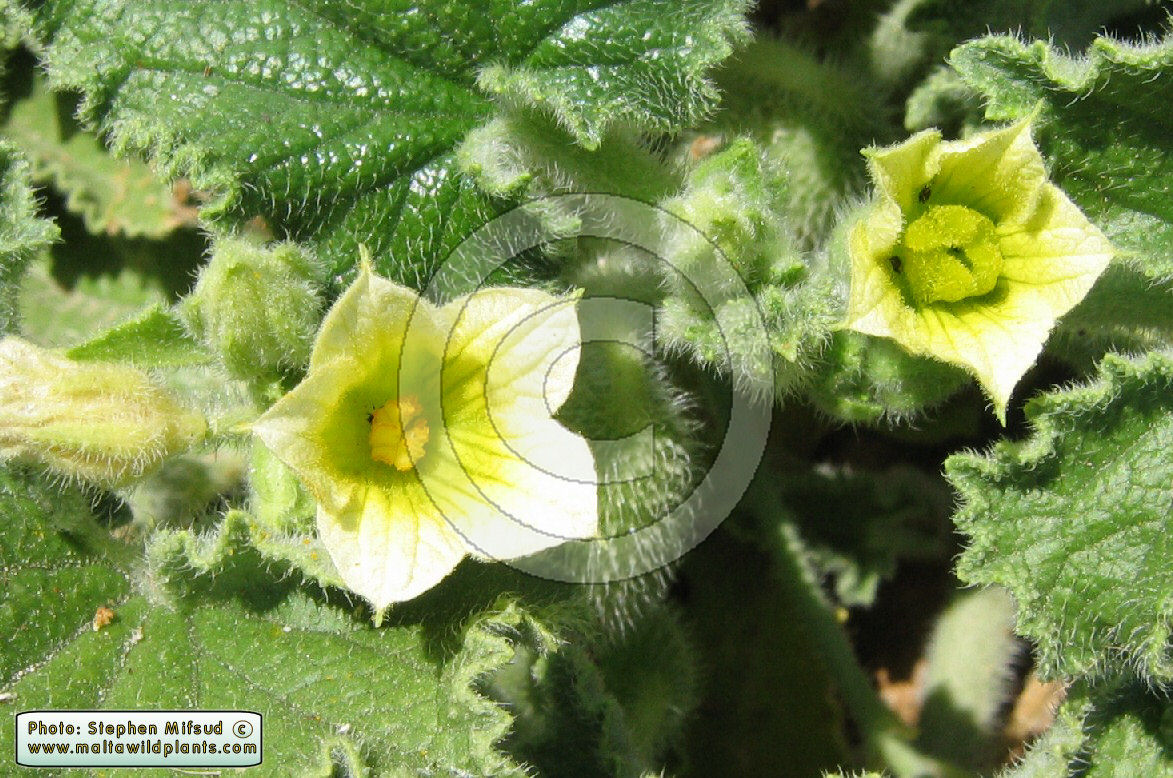
1) Female flowers are more seen when the sun starts setting down because the male flowers closes much before. [SM]
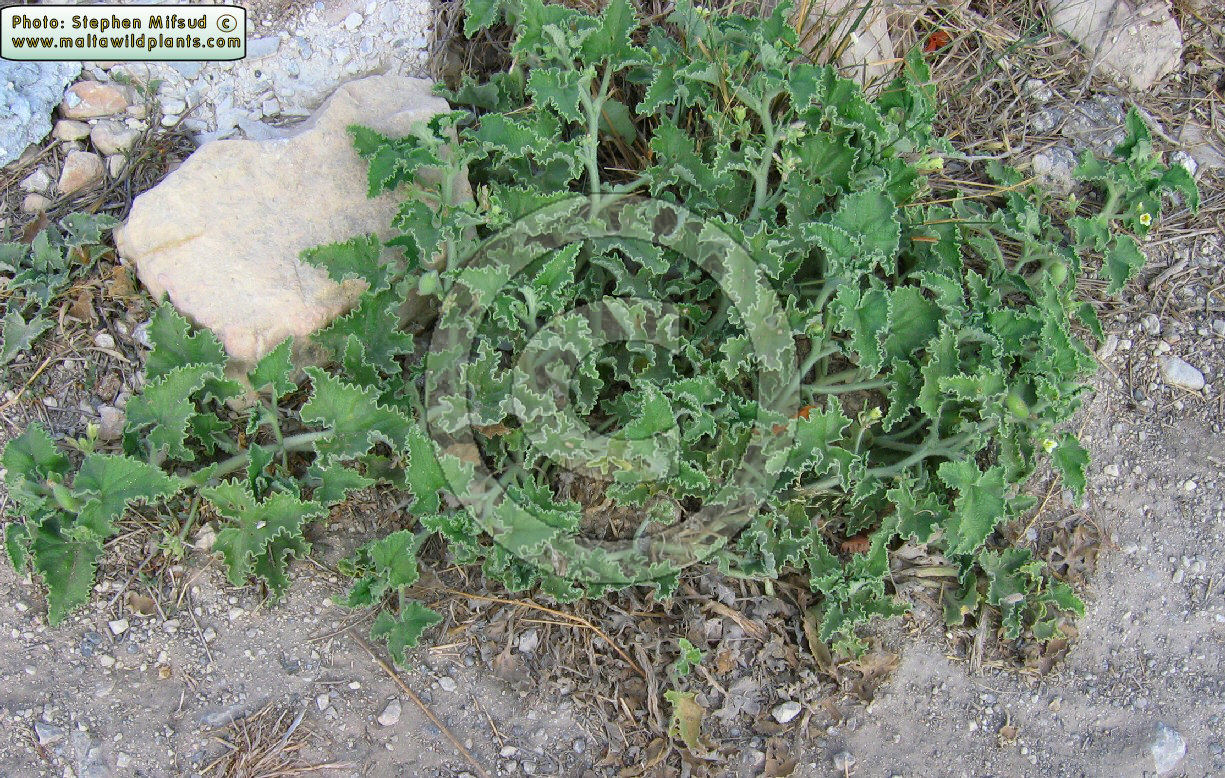
2) The plant is perennial in temperate climates like Malta and most of the Mediterranean, but it may not survive cold winter in northern European countries like UK, and so it would be described as annual. [SM]
3) A hint to distinguish which fruit is very probable that it explodes on touching is that the colour of such fruit will have a slight yellowish tinge - easily compared with other unripe green fruit [SM] .
|
|